Source Manual Water Brass Gate Valve for Household, Industrial, and Water Usage
Find 30 Manual Water Brass Gate Valve options for flow control, drainage, and safety applications. Compare specifications from manufacturers in Zhejiang and Shanghai with customization and OEM services available.
Key considerations
Products List


High Quality Thickening Thread Type Brass Gate Valve Manual Water Gate Valve
$1.00 - $5.00
MOQ: 2000 Pieces
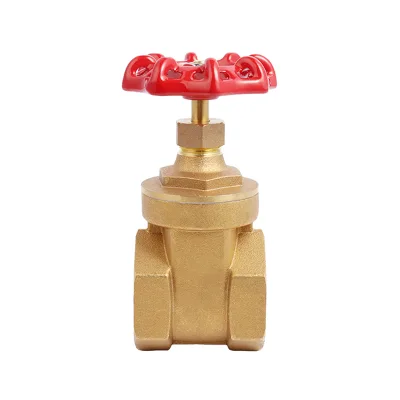


High-Quality Premium Brass Bronze Gate Valve for Efficient Water Control
$2.15 - $2.98
MOQ: 1000 Pieces


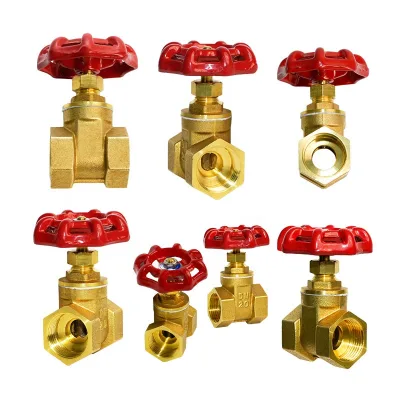

$60.10 - $65.90
MOQ: 20 Pieces


Comprehensive Sourcing Guide
Manual Water Brass Gate Valve Sourcing Guide
Sourcing manual water brass gate valves requires a disciplined approach to balancing material integrity, operational reliability, and commercial viability. These valves are fundamental components in fluid control systems, serving as isolation devices that regulate or stop the flow of water and non-corrosive liquids. The procurement process must account for the specific mechanical design of the gate valve, which relies on a rising or non-rising stem to lift a wedge-shaped gate out of the flow path. Buyers must distinguish between the various configurations available in the market, such as inside-stem versus outside-stem designs, as these dictate maintenance accessibility and environmental protection for the valve’s operating mechanism.
The decision to source brass gate valves is often driven by the material’s inherent resistance to corrosion and its suitability for potable water applications. However, the brass composition and manufacturing processes vary significantly among suppliers, impacting both longevity and regulatory compliance. Procurement teams must verify that the brass alloy meets specific lead-free requirements if the valve is intended for household or drinking water usage. Furthermore, the surface treatment, whether nickeled, chrome-plated, or left in a natural color, plays a critical role in preventing dezincification and ensuring aesthetic consistency in visible installations. Understanding these material nuances is essential for selecting a valve that aligns with the specific environmental and regulatory demands of the end project.
Product Scope and Observed Listing Signals
The current market landscape for manual water brass gate valves reveals a diverse range of product specifications and customization options. Listings indicate that manufacturers offer valves with thread positions that are either inside or outside the gate valve body, a critical distinction for installation space and maintenance needs. The connection forms are predominantly threaded, with standard sizes ranging from 1/4" to 4", accommodating both small-scale household fixtures and larger industrial piping systems. Buyers should observe that customization is widely available, allowing for specific thread types such as BSP, which can be tailored to regional standards or existing infrastructure requirements.
Observed listing signals also highlight the variety in surface treatments and handle designs that signal different quality tiers and use cases. Some products feature nickeled surfaces or chrome plating, providing enhanced corrosion resistance and a polished appearance suitable for exposed installations. Others may present a natural color finish, which might require additional protective measures in aggressive environments. The handle sleeves are often color-coded in blue, red, or yellow, offering visual cues for flow direction or system status, which is particularly useful in complex industrial or commercial plumbing networks. These visual and functional attributes serve as immediate indicators of the valve’s intended application, whether for simple household drainage or rigorous industrial flow control.
Technical Specifications to Verify
Verifying the technical specifications of brass gate valves is paramount to ensuring operational compatibility and longevity. The valve type is consistently identified as a straight-through or direct-acting design, which influences the pressure drop and flow characteristics within the pipeline. Buyers must confirm the thread type and size, as mismatches here can lead to installation failures or leaks. The standard sizes observed, such as DN25 or specific inch-based measurements like 1/2" to 4", must align precisely with the piping system’s dimensions. Additionally, the valve size range, often cited as DN15 to DN50, should be cross-referenced with the project’s flow rate requirements to ensure adequate capacity without excessive pressure loss.
The operating conditions, including temperature and pressure ratings, are critical technical parameters that must be explicitly verified. While many listings describe the valves as suitable for ordinary temperature and pressure conditions, specific applications may demand higher ratings. For instance, some products are noted for high-temperature resistance, which is essential for hot water systems or industrial processes involving heated fluids. The medium handled, typically water or non-corrosive liquids, dictates the internal material compatibility, with the ball or gate inside often being made of brass to prevent galvanic corrosion. Buyers should also inspect the packing specifications, such as inner plastic bags, export standard cartons, or foam plastic bags, to ensure the valves arrive without damage and are protected against moisture during transit.
Compliance and Safety Documentation
Compliance with international and regional standards is a non-negotiable aspect of sourcing brass gate valves, particularly for applications involving potable water. The observed standards include DIN, ANSI, GB, BSW, and JIS, indicating that manufacturers cater to a global market with varying regulatory frameworks. Buyers must ensure that the valves they procure meet the specific standard required by their local jurisdiction, whether it is European DIN standards for general industrial use or American ANSI standards for North American projects. This verification extends to the material composition, where lead-free certifications are often mandatory for household and drinking water applications to protect public health.
Safety documentation should also cover the valve’s performance under stress and its suitability for the intended medium. While specific test results are not always listed, buyers should request documentation that confirms the valve’s ability to withstand the stated pressure and temperature limits without failure. The surface treatment, such as nickeled or chrome-plated finishes, should be backed by corrosion resistance data to ensure long-term durability. Additionally, the origin of the product, whether from Zhejiang or Shanghai in China, may influence the availability of certain compliance certificates. Procurement teams must work with suppliers to obtain all necessary declarations of conformity, ensuring that the valves meet both safety and environmental regulations in the destination market.
Cost Drivers and Commercial Terms
The cost of manual water brass gate valves is influenced by several key factors, including material quality, manufacturing complexity, and order volume. The price range observed in the market spans from $0.5 to $70, reflecting the vast difference between small, simple household valves and larger, more robust industrial units. The minimum order quantity (MOQ) varies significantly, from as low as 1 unit for sampling or small projects to 5000 units for large-scale industrial contracts. Buyers should understand that lower MOQs often come with higher per-unit costs, while bulk orders can leverage economies of scale to reduce prices, provided the specifications are standardized.
Commercial terms also play a crucial role in the total cost of ownership. Services such as OEM and ODM are available, allowing buyers to customize valves with specific branding or technical modifications, which may incur additional setup fees. The packing method, whether in simple inner plastic bags or elaborate colorful boxes with EPE foam, affects shipping costs and potential damage rates. Buyers should negotiate clear terms regarding sample availability, as free samples are sometimes offered to facilitate quality assessment before committing to a large order. Additionally, the lead time and shipping logistics from origins like Zhejiang or Shanghai should be factored into the budget, as delays can impact project timelines and overall profitability.
Supplier Qualification and Quality Control
Qualifying suppliers of brass gate valves requires a thorough assessment of their manufacturing capabilities and quality control processes. Buyers should verify whether the supplier operates their own factory or acts as a trading company, as this impacts pricing flexibility and direct communication. The presence of OEM and ODM services suggests a level of manufacturing sophistication, but buyers must ensure that the supplier has robust quality assurance protocols in place. This includes regular inspections of raw materials, such as brass ingots, to ensure consistent alloy composition, and monitoring of the machining and surface treatment processes to prevent defects.
Quality control should extend to the final product inspection, where each valve is tested for leaks, proper operation, and dimensional accuracy. Buyers should request evidence of these inspections, such as batch test reports or third-party audit results, to ensure consistency across large orders. The packaging process is also a critical quality control point, as improper packing can lead to damage during transit. Suppliers who use export-standard packaging, such as plywood pallets or sturdy cartons with foam protection, demonstrate a commitment to product integrity. Additionally, buyers should assess the supplier’s responsiveness to customization requests and their ability to provide technical support, as these factors contribute to a successful long-term partnership.
Long-Term Procurement Checks
Establishing long-term procurement relationships for brass gate valves involves continuous monitoring of product performance and supplier reliability. Buyers should implement a feedback loop from the field to track any failures, leaks, or corrosion issues in installed valves. This data is invaluable for identifying trends and addressing potential quality issues before they escalate. Regular audits of the supplier’s production line and quality control processes can help maintain high standards and ensure that any changes in materials or manufacturing methods are properly managed and communicated.
Furthermore, buyers should stay informed about evolving regulatory requirements and industry standards that may impact the procurement of brass gate valves. As environmental regulations become stricter, particularly regarding lead content and sustainable manufacturing practices, suppliers must adapt to remain compliant. Proactive engagement with suppliers to discuss these changes can help mitigate risks and ensure a steady supply of compliant products. By maintaining open communication and conducting periodic performance reviews, buyers can build a resilient supply chain that delivers high-quality manual water brass gate valves consistently over time.
FAQs
What actuation type is used for these valves?
These valves use manual actuation for operation. The handle sleeve is available in blue, red, or yellow colors to indicate different functions or media types for easy identification during use.
Which materials are used for the valve body?
The valve body is constructed from brass material. This ensures durability and resistance to corrosion when handling water and non-corrosive liquids in both household and industrial applications.
Can the valve be customized for specific needs?
Yes, customization is available for these products. Buyers can request OEM or ODM services to tailor specifications such as thread size, surface treatment, or packaging to meet unique project requirements.
What is the standard thread size range?
The standard thread size ranges from 1/4 inch to 4 inches. Specific models like DR199 and TFB-010 support various sizes including DN25 and DN15 to DN50 for different flow control needs.
How are the valves packaged for shipping?
Packaging options include inner plastic bags, cartons, and plywood pallets. Some models use EPE foam bags with colorful boxes and export standard cartons to ensure safe transport from China.
What surface treatments are applied to the valves?
Surface treatments include nickel plating, chrome plating, and natural color finishes. These processes protect the brass material and enhance the aesthetic appearance for various industrial and household usage scenarios.
Which standards do the valves comply with?
The valves comply with multiple standards including DIN, ANSI, GB, BSW, and JIS. This ensures compatibility with international piping systems and meets diverse regulatory requirements for global trade.
Where are these valves manufactured?
These valves are manufactured in Zhejiang and Shanghai, China. The production facilities offer factory-direct sourcing with capabilities for high-volume orders and customized manufacturing services for international buyers.